


Malanova
6 / 10Matteo and Riccardo are blissfully in love and are getting ready to celebrate their six-month anniversary. But their romantic interlude takes an unexpected turn when an unforeseen event shakes their certainties. Matteo withdraws into himself, Riccardo wavers between wanting to run away and being curious, and the couple suddenly finds itself facing questions they had never dared to ask. Amid desire, tension, and hope, they’ll have to confront their fears and strengthen the bond that unites them.



Sabotage
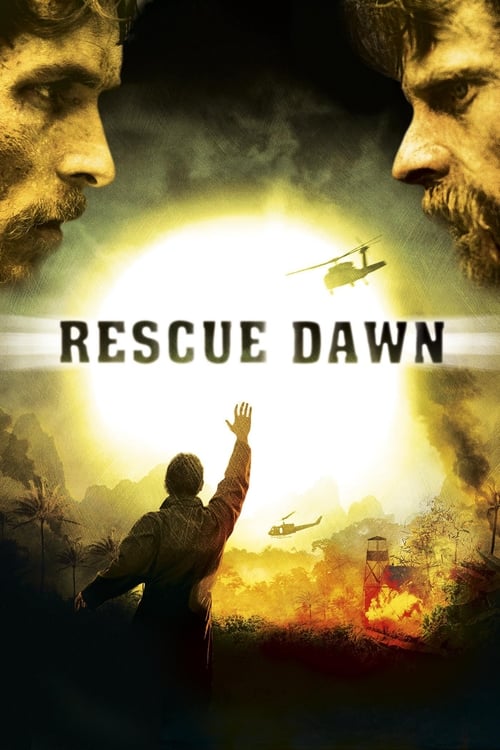
5.626 / 10John 'Breacher' Wharton leads an elite DEA task force that takes on the world's deadliest drug cartels. When the team successfully executes a high-stakes raid on a cartel safe house, they think their work is done – until, one-by-one, the team members mysteriously start to be eliminated. As the body count rises, everyone is a suspect.
Night of the Creeps
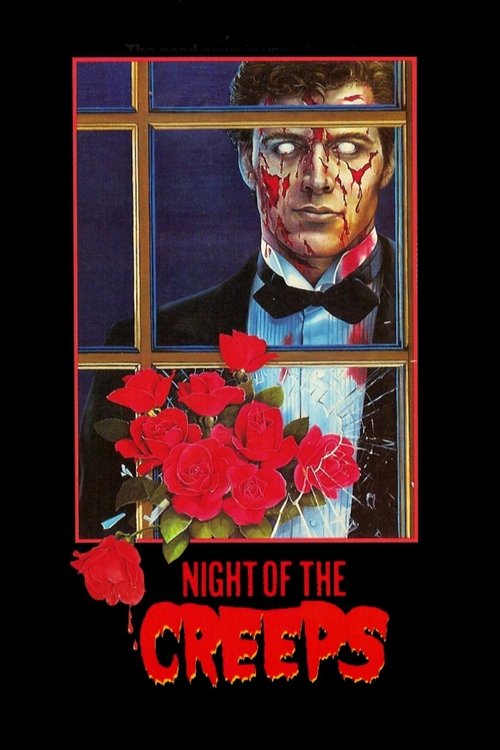
6.8 / 10In 1959, an alien experiment crashes to earth and infects a fraternity member. They freeze the body, but in the modern day, two geeks pledging a fraternity accidentally thaw the corpse, which proceeds to infect the campus with parasites that transform their hosts into killer zombies.
Harold & Kumar Escape from Guantanamo Bay
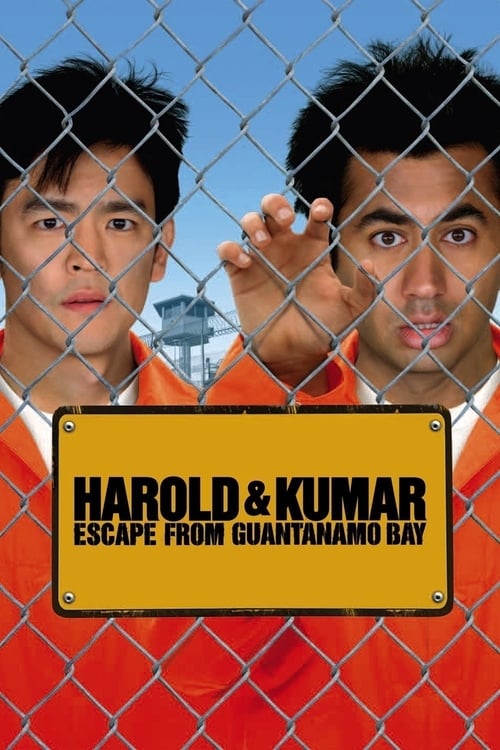
6.32 / 10Having satisfied their urge for White Castle, Harold and Kumar jump on a plane to catch up with Harold's love interest, who's headed for the Netherlands. But the pair must change their plans when Kumar is accused of being a terrorist. Rob Corddry also stars in this wild comedy sequel that follows the hapless stoners' misadventures as they try to avoid being captured by the Department of Homeland Security.



The Secret Garden
7.4 / 10A young British girl born and reared in India loses her neglectful parents in an earthquake. She is returned to England to live at her uncle's castle. Her uncle is very distant due to the loss of his wife ten years before. Neglected once again, she begins exploring the estate and discovers a garden that has been locked and forgotten. Aided by one of the servants' boys, she begins restoring the garden, and eventually discovers some other secrets of the manor.



Beverly Hills Ninja
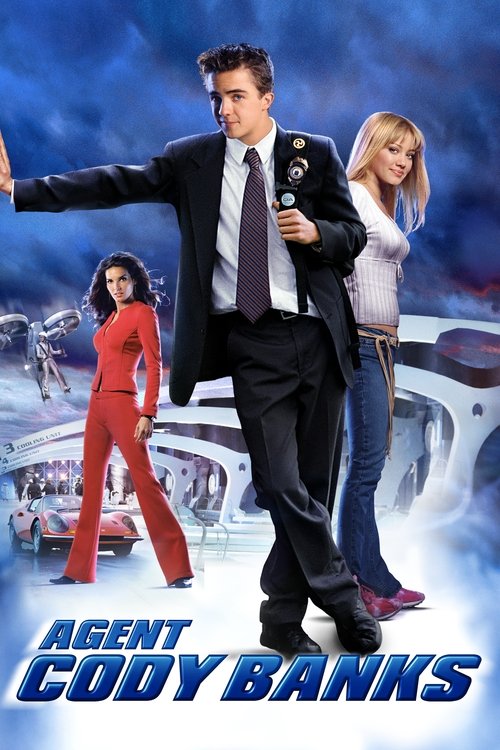
5.659 / 10Haru, an orphaned American who washes ashore in Japan and is mistaken for the great White Ninja of legend. Raised among the finest Ninjas, Haru grows strong and big - very big. With the grace of all Three Stooges rolled into one body, Haru is an embarrassment to his clan. But when a beautiful blonde pleads for his help, Haru is given one dangerous, disastrously funny chance to prove himself.

Walking with Dinosaurs
6.2 / 10In a time when dinosaurs rule the Earth, the smallest dinosaur of the herd, a playful Pachyrhinosaurus named Patchi, embarks on the biggest adventure of his life. As he tries to find his place in a spectacular world filled with fun-loving friends and a few dangerous foes, Patchi will discover the courage he needs to become the leader of the herd and a hero for the ages.

Henry & June
6.1 / 10While traveling in Paris, author Henry Miller and his wife, June, meet Anais Nin, and sexual sparks fly as Nin starts an affair with the openly bisexual June. When June is forced to return to the U.S., she gives Nin her blessing to sleep with her husband. Then, when June returns to France, an unexpected, and sometimes contentious, threesome forms.
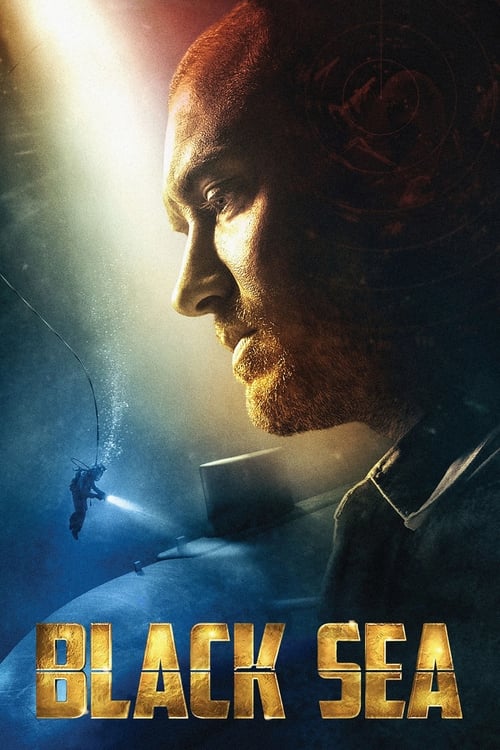
Black Sea
6.272 / 10A rogue submarine captain pulls together a misfit crew to go after a sunken treasure rumored to be lost in the depths of the Black Sea. As greed and desperation take control on-board their claustrophobic vessel, the increasing uncertainty of the mission causes the men to turn on each other to fight for their own survival.